

Non-Toxic Skincare and Hormone Health: Why It Matters
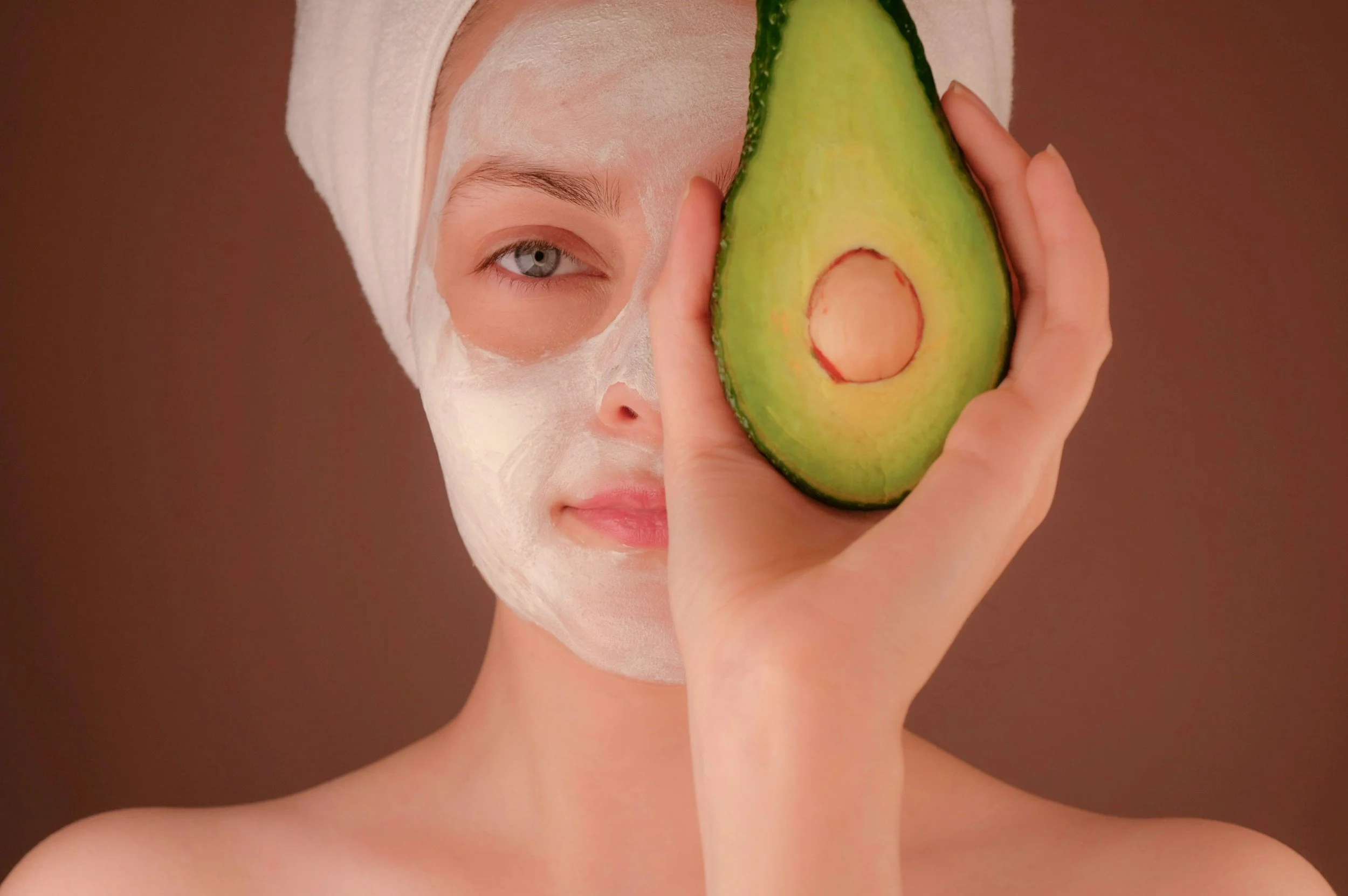
Many people carefully consider what they eat but rarely think about what they put on their skin. Yet the skin is a highly active organ capable of absorbing certain substances applied to it.
Modern skincare and cosmetic products can contain chemicals known as endocrine disruptors. These substances may interfere with the body’s natural hormonal signalling by mimicking, blocking, or altering hormone activity.
For individuals already experiencing hormonal symptoms, reducing exposure to these chemicals can be a helpful step in supporting overall hormonal balance.
For those seeking natural hormone support, making simple changes to everyday products can form part of a wider strategy for improving wellbeing.
How Skincare Products Can Influence Hormones
The body’s endocrine system regulates many important processes including:
menstrual cycles
fertility
metabolism
mood and energy
sleep patterns
weight regulation
Certain chemicals found in personal care products can mimic hormones such as oestrogen or interfere with the way hormones are produced, metabolised, or cleared from the body.
Because skincare products are often used daily, exposure may accumulate over time.
While these exposures are usually small, individuals already experiencing hormonal symptoms may choose to reduce their exposure as part of a supportive lifestyle approach.
When Reducing Chemical Exposure May Be Particularly Helpful
Limiting exposure to endocrine-disrupting chemicals can be especially beneficial during periods when hormones are naturally fluctuating or when hormonal conditions are present.
Perimenopause and Menopause
Hormone levels naturally shift during this life stage. Reducing exposure to hormone-disrupting chemicals may help support the body during this transition.
Fertility and Pre-Conception
Balanced hormone function is essential for ovulation and reproductive health. Many couples choose to reduce environmental chemical exposure when preparing for pregnancy.
Pregnancy
During pregnancy both mother and baby can be more sensitive to environmental chemicals. Many women prefer to switch to simpler, more natural skincare products during this time.
Endometriosis
Endometriosis is strongly influenced by oestrogen activity. Minimising exposure to chemicals that mimic oestrogen may be a supportive lifestyle measure.
Hormonal Acne
Hormone fluctuations can trigger persistent acne. Reducing exposure to irritating chemicals and endocrine disruptors may support skin health.
Premenstrual Syndrome (PMS)
Hormone shifts during the menstrual cycle may be amplified by environmental exposures that influence endocrine balance.
Fibrocystic Breasts
Some individuals experiencing breast tenderness or cystic changes choose to limit exposure to oestrogen-mimicking chemicals.
Ingredients to Avoid in Skincare Products
Becoming familiar with common ingredients used in cosmetics can make it easier to choose safer products.
Phthalates
Phthalates are commonly used to stabilise fragrances and improve product texture. They have been associated with hormone disruption and reproductive health concerns.
They may appear on labels as:
fragrance
parfum
DEP
DBP
DEHP
Parabens
Parabens are preservatives added to cosmetics to prevent bacterial growth. Research suggests some parabens can mimic oestrogen in the body.
Common examples include:
methylparaben
propylparaben
butylparaben
ethylparaben
Sodium Lauryl Sulfate (SLS) and Sodium Laureth Sulfate (SLES)
These ingredients create the foaming effect in many cleansers and shampoos. While primarily known for irritating sensitive skin, they can also disrupt the skin barrier and increase the absorption of other chemicals.
Microplastic Particles
Microplastics are tiny plastic particles used in some cosmetics and exfoliating products.
They may be listed as:
polyethylene (PE)
polypropylene (PP)
nylon powders
acrylates copolymer
In addition to potential health concerns, microplastics contribute to environmental pollution.
Tips for Choosing Safer Skincare
Switching to lower-toxicity products does not have to happen overnight. Gradual changes can make the transition more manageable.
Helpful steps include:
choosing products with shorter ingredient lists
selecting products labelled paraben-free and phthalate-free
avoiding products listing “fragrance” without ingredient transparency
choosing brands that prioritise natural or plant-based ingredients
selecting glass packaging where possible
I personally use and recommend Tropic Skincare as it ticks all of these boxes. To view their products visit www.tropicskincare.com/kathsamuels
(Disclosure: I am a Tropic ambassador)
Could Hormone Imbalance Be Causing Your Symptoms?
Many people experience symptoms that may be linked to hormonal imbalance but struggle to understand the root cause.
Common symptoms include:
persistent fatigue
stubborn weight gain
hormonal acne
PMS
irregular cycles
sleep disruption
anxiety or mood changes
In these situations, functional testing can provide valuable insights.
DUTCH Hormone Testing
The DUTCH Test (Dried Urine Test for Comprehensive Hormones) is an advanced functional test that provides detailed insight into hormone health.
This test can help:
analyse sex hormones including oestrogen, progesterone and testosterone
identify hormone imbalances that may be contributing to symptoms
assess cortisol patterns and stress response
evaluate how effectively hormones are metabolised and cleared by the liver
Understanding these patterns can help guide a more personalised nutrition and lifestyle strategy.
For individuals seeking functional hormone testing, whether you are in Southport or across the UK, the DUTCH test can provide valuable clarity when symptoms are difficult to explain.
Book a Free Consultation
If you are experiencing symptoms that may be linked to hormone imbalance, functional testing may help uncover the underlying cause.
You are welcome to book a free consultation to discuss:
your symptoms
whether functional hormone testing may be helpful
how nutrition and lifestyle strategies can support hormone health
Together we can explore a personalised approach designed to address the root causes of hormonal imbalance.
Supporting Hormone Health Naturally
Hormonal balance is influenced by many factors including:
nutrition
stress levels
sleep quality
environmental exposures
lifestyle habits
Small changes in everyday routines — including the products used on the skin — can make a meaningful difference over time.
