

The Humble Egg — Nature's Own Little Miracle
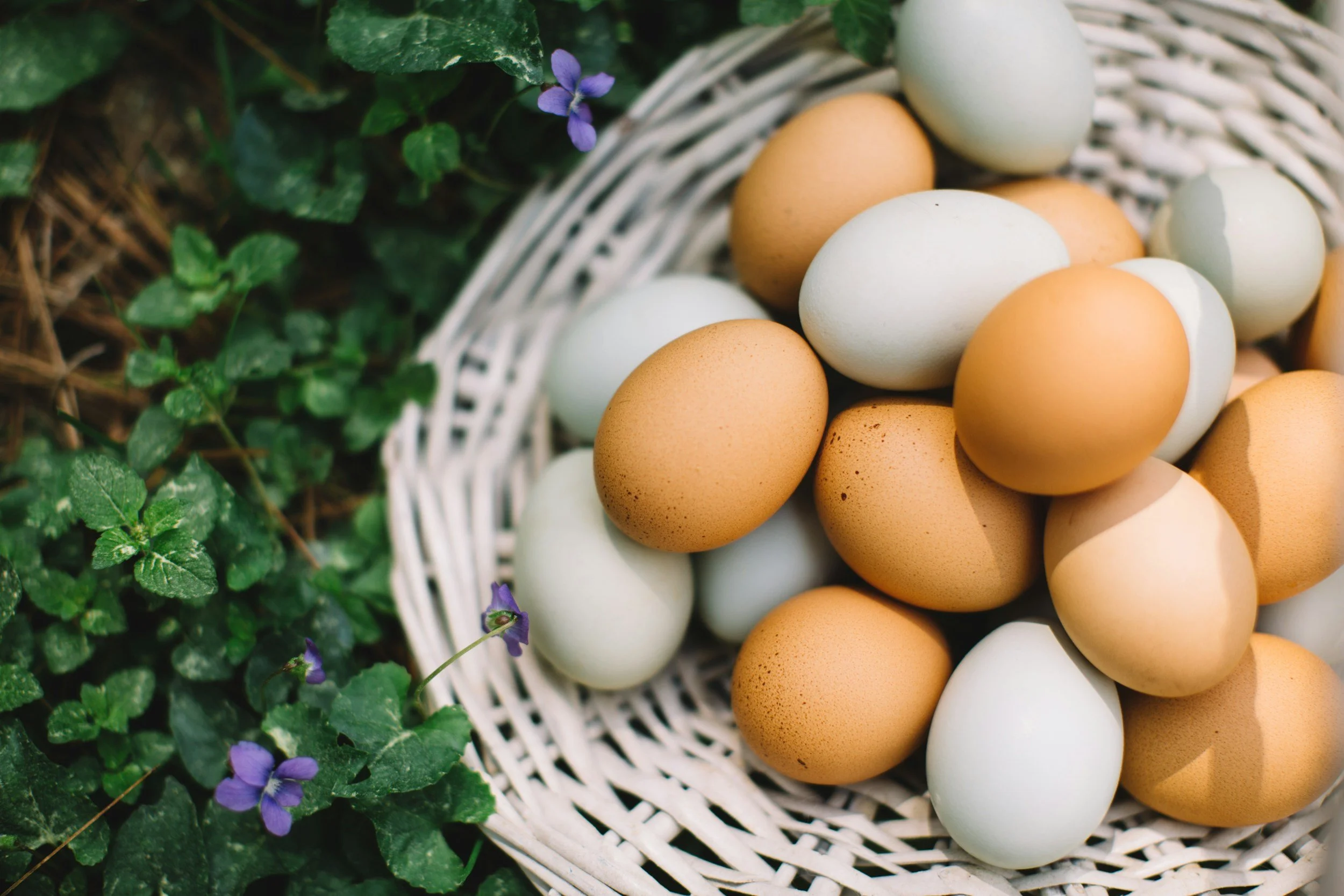
Why this Easter staple deserves a permanent place on your plate — and what it's quietly doing for your health every time you eat it.
With Easter here, it would be rather remiss of me, as a nutritional therapist, not to dedicate this month's blog to the undisputed star of the season. And no, I don't mean the chocolate kind (though life is for living, and I'm not here to take your Creme Egg away). I'm talking about the real thing: one of the most nutritionally complete foods nature has ever produced, and one that is probably sitting in your fridge right now.
First — A Quick Rehabilitation
For years, eggs endured an unfair reputation. Concerns about dietary cholesterol led many people, and much mainstream advice, to limit or avoid them altogether. Thankfully, the research has moved on significantly. Eggs are now considered a healthy, whole food, and the fat they contain is recognised as a valuable part of a balanced diet rather than something to be feared. More on that in a moment.
The Nutritional Breakdown: What's Actually Inside an Egg?
This is where it gets impressive. Eggs are one of very few foods that genuinely deliver across multiple nutritional categories in one neat package.
Protein — 18g from just 3 eggs Containing all nine essential amino acids, egg protein is considered one of the highest quality sources available. It is ideal for energy, muscle repair, and keeping you full and focused throughout the day — something every busy woman can appreciate.
Choline One of the most important nutrients you've probably never heard of. Choline is critical for the health of every single cell in your body. It plays a central role in brain function, liver health, and the production of neurotransmitters that regulate mood and memory. Eggs are one of the richest dietary sources available, which makes them especially valuable for women navigating the cognitive changes that can come with perimenopause.
Vitamin D Living in the North West of England, we are no strangers to grey skies, and many women are running low on this vital nutrient without even realising it. Vitamin D supports immune function, mood regulation, bone health, and hormonal balance. Eggs, particularly the yolk, are one of the few food sources genuinely worth noting.
Vitamin K Essential for healthy blood clotting and bone metabolism. Often overlooked, but quietly important for long-term health, particularly as we move through midlife.
B Vitamins, including B12 and Biotin B12 is essential for energy production, nervous system health, and red blood cell formation. Biotin (B7) supports healthy hair, skin, and hormone metabolism. Both are found in meaningful quantities in eggs, and both are nutrients that women, particularly in their 40s and beyond, often need more of.
Healthy Fats Yes, eggs contain fat , and that is a good thing. The fats in eggs are now considered a healthy source, and they serve an important purpose: they help your body absorb those fat-soluble vitamins (D and K) that we have just covered. They also contribute to satiety, helping you feel genuinely full rather than reaching for something else an hour later.
Why This Matters for Busy Women in Particular
So much of the work I do with women across Southport, Birkdale, Hesketh Bank, Tarleton, Rufford and beyond is about finding simple, sustainable ways to nourish their bodies, without adding more complexity to already busy lives. Eggs are the perfect example of that philosophy in action.
They are quick to prepare. They are genuinely affordable. They work at any meal, scrambled on sourdough, poached with wilted greens, hard-boiled as a snack, or baked into a quick frittata with whatever vegetables are in the fridge. And they deliver a remarkable breadth of nutrition in return for very little effort.
For women in perimenopause or post-menopause especially, that combination of protein, choline, B12, and Vitamin D is genuinely meaningful, supporting energy levels, cognitive clarity, bone health, and hormonal balance all at once.
A Note on Quality
Where possible, I always recommend opting for free-range or organic eggs. The nutritional profile can vary depending on how hens are raised and fed, and free-range eggs, particularly from hens with outdoor access, tend to offer higher levels of Vitamin D and omega-3 fatty acids. It is a small step that can make a meaningful difference.
The Bottom Line
This Easter, alongside the chocolate, give a little appreciation to the real star of the season. Eggs are one of those rare foods that are easy, affordable, versatile, and genuinely excellent for your health, all at the same time. As a registered nutritional therapist serving women across Southport and Merseyside, I find myself recommending them regularly, and for very good reason.
Small changes, consistently made, are what add up to real, lasting wellbeing. And adding a few more eggs to your week is one of the simplest places to start.
Happy Easter from me — I hope it's a joyful one, however you choose to spend it 🐰
Wondering what else could support your health? I offer a free initial consultation for women across Southport, Formby, Crosby, Ormskirk and surrounding areas.
