

Foods that help constipation, and how to use them
If you have already been told to "eat more fibre" and either it did not work, or it left you more bloated than when you started, you are not alone, and you are not doing it wrong. If constipation is one of several gut symptoms you're noticing, it's worth reading the signs of poor gut health first to see the fuller picture. The advice on fibre is right. What is usually missing is the detail that makes it actually work: how much, how fast, and what to expect along the way. That is what this guide gives you, starting with the foods themselves.
The foods that genuinely help
Rather than a long list sorted by food group, it helps to think about what each food is actually doing once it reaches your gut. Different foods work in different ways, and knowing which is which means you can choose the right one for what your body needs.
Foods that add bulk to stool give your gut something substantial to move along. Think wholegrains, such as oats and wholemeal bread, plus the skins on fruit and vegetables where you can eat them.
Foods that draw water into the gut soften stool and make it easier to pass. Chia seeds and flaxseed (ground, not whole, so your body can access what is inside) are useful here, alongside plenty of water itself, since fibre without fluid tends to make things firmer rather than softer.
Foods that feed the bacteria that keep things moving include onions, leeks, garlic and Jerusalem artichokes, which contain compounds these bacteria particularly like, along with live yoghurt and other fermented foods that top up the population directly.
Foods with a more direct effect are worth knowing by name: kiwi fruit (skin and all, where possible), and prunes, which contain sorbitol, a natural compound that draws water into the bowel. Two or three prunes, or a kiwi per day is a reasonable place to start.
A realistic day might include porridge oats with ground flaxseed and chopped prunes at breakfast, a bean or lentil-based lunch, and a couple of kiwis as a snack, alongside water throughout.
Soluble and insoluble fibre, and why the difference matters
Most articles on this topic use "fibre" as if it is one thing. It is not, and the difference matters more than the total amount.
Soluble fibre dissolves in water and forms a gel-like substance. It is found in oats, beans, lentils and the flesh of fruit like apples and pears. This type tends to be gentler and is often better tolerated by a gut that is already sensitive.
Insoluble fibre does not dissolve. It adds bulk and helps things move through more quickly. It is found in wholegrains, the skins of fruit and vegetables, and nuts and seeds. This type can be more stimulating, which is helpful, but can also cause more gas and bloating if you are not used to it.
If fibre has made you feel worse in the past, it is worth trying more soluble sources first, such as oats and cooked pulses, before increasing wholegrains and skins, and seeing how your gut responds.
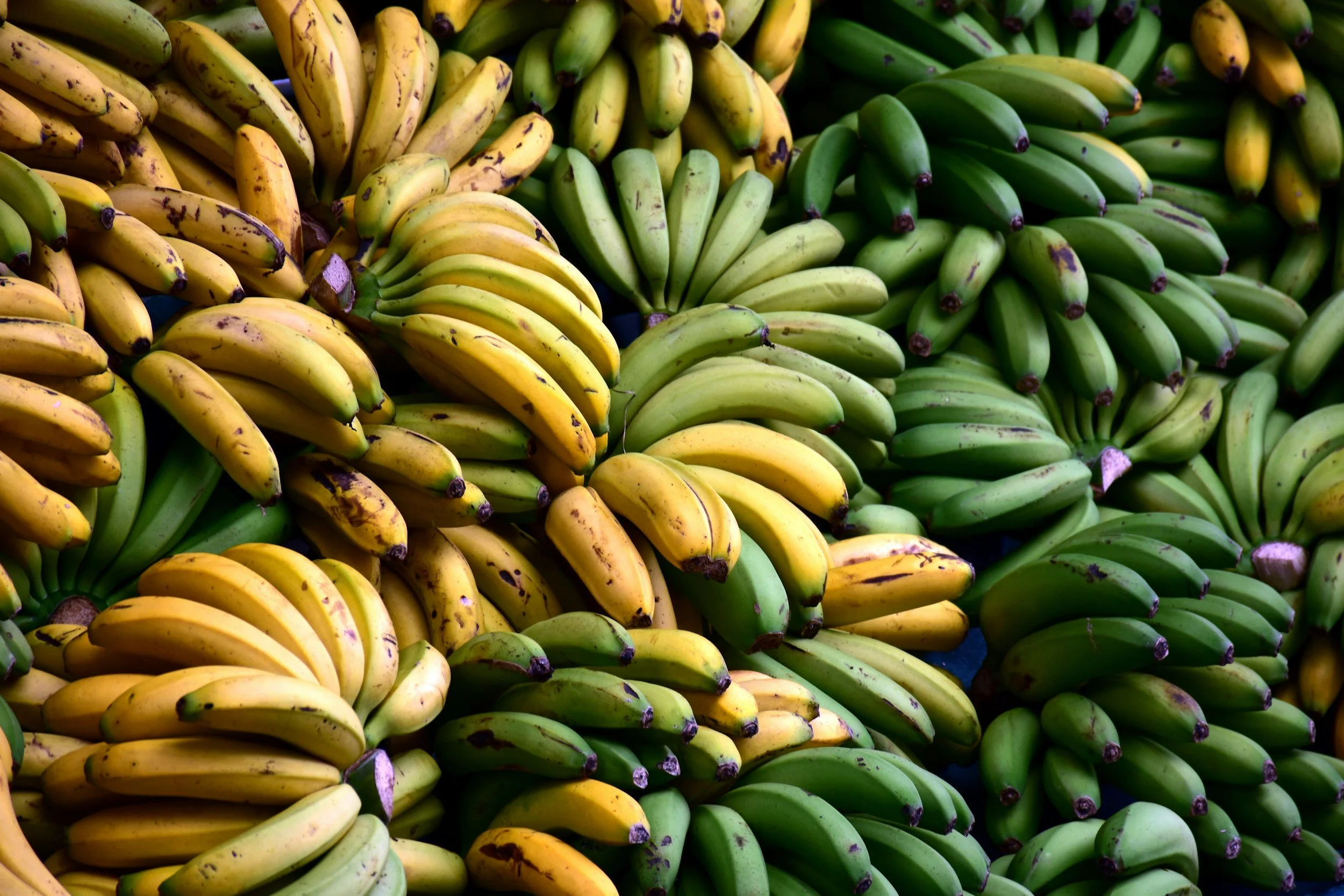
Are bananas good or bad for constipation?
This one genuinely depends on ripeness, which is why you will find confident answers on both sides of the question.
Unripe, green bananas are higher in resistant starch, a type of starch your body cannot fully digest. Resistant starch behaves a lot like insoluble fibre and can be binding, which is why some people find green bananas make constipation worse rather than better.
Ripe, yellow bananas with brown spots have much less resistant starch. As a banana ripens, that starch converts to sugars, and the fruit becomes softer and easier to digest. A ripe banana also contains a reasonable amount of soluble fibre and potassium, both of which support normal bowel function.
The practical answer: if constipation is a current issue, choose bananas that are properly ripe, and go easy on green or just-turning ones until things have settled.
How to increase fibre without making things worse
This is the part most advice leaves out, and it is usually the reason "eat more fibre" backfires.
Jumping from a low fibre diet to a high fibre one in the space of a day or two is the most common self-inflicted cause of the bloating, cramping and wind that sends people looking for help in the first place. Your gut bacteria need time to adjust to processing more fibre, and asking them to do it overnight rarely goes well.
A more workable approach is to increase your intake gradually over two to three weeks, adding one new fibre-rich food every few days rather than overhauling your diet in one go, working towards the UK guideline of around 30g of fibre a day (adults typically get closer to 18 to 20g, so this is a meaningful increase for most people).
Increase your water alongside it. Fibre without enough fluid can make stool firmer, which works against what you are trying to achieve.
In the first week or two, some bloating is normal and is not a sign to stop. It usually settles as your gut adjusts. If it is severe, or does not ease after a few weeks, that is worth mentioning to a professional rather than pushing through alone.
What to limit
This is not a list of bad foods, because food does not really work that way. It is a list of things that tend to slow digestion for some people, worth being aware of rather than avoiding entirely.
Highly processed foods that are low in fibre, such as white bread, pastries and many ready meals, do less to support movement than their wholegrain equivalents. Very low fluid intake alongside a high fibre diet can leave stool harder to pass. Excess caffeine or alcohol can be dehydrating for some people, which works against you for the same reason. None of this means cutting anything out completely. It means noticing what your own gut responds to and adjusting from there.
When food is not the answer
Diet plays a genuine role in constipation, but it is not always the whole story, and it is important to acknowledge.
Certain medications are common culprits, including some blood pressure tablets, codeine-based painkillers, and iron supplements. Thyroid function and pelvic floor issues can also contribute, and neither will respond to fibre alone.
Please see your GP rather than adjusting your diet further if you notice any of the following: blood in your stool, unexplained weight loss, a sudden and persistent change in your bowel habits, or new constipation appearing for the first time after the age of 50. These are not meant to alarm you, but they do need proper medical attention rather than dietary support.
What testing can tell you
If constipation has been a long-standing pattern rather than a one-off, it is sometimes worth looking beyond diet to what is actually happening in your gut. A gut microbiome test can identify imbalances in gut bacteria, markers of inflammation, and digestive function, giving a clearer picture of what is driving things and a more targeted plan than diet changes alone.
Ready to get to the bottom of it?
If you have tried the usual advice and it has not shifted things, or you would simply rather understand what is going on than keep guessing, a gut health consultation is a good next step. We can look at your diet, your history and, where it is useful, functional testing, and build a plan that actually fits what your gut needs.
Book a gut health consultation
Put yourself back on the priority list. x
Kath Samuels, Registered Nutritional Therapist (DipNT, mANP, mGNC)
